
Views: 0 Author: Site Editor Publish Time: 2026-04-06 Origin: Site


A baby already dressed in fleece pjs can make bedtime feel warm enough, yet many parents still wonder whether a blanket should be added on top. In most infant sleep situations, the better question is not how many coverings to pile on, but how to keep baby warm safely. Current safe-sleep guidance from the American Academy of Pediatrics says loose blankets and other soft items should be kept out of an infant’s sleep space, while Lullaby Trust guidance also stresses dressing baby according to room temperature and avoiding extra layers that increase overheating risk. At CIXI WOMEI, we design sleepwear for practical family routines, and this topic matters because parents want warmth that feels reassuring, simple, and safe.
Warm sleepwear and a blanket may both seem like ways to keep a baby cozy, but they do not function in the same way. Fleece pajamas provide wearable warmth that stays on the body. A blanket is loose bedding. It can shift, bunch, slide upward, or cover part of the face during sleep. That difference is important, especially for younger babies who cannot easily move bedding away from their face.
This is why parents should not think of fleece and blankets as interchangeable layers. Fleece is part of the outfit. A blanket becomes part of the sleep environment. Once parents understand that distinction, the answer becomes much clearer. A baby wearing warm sleepwear may already have the warmth they need, while adding a blanket introduces a different set of concerns.
Many parents naturally want a baby to feel extra snug at night, especially in cold weather. But for infants, safe sleep guidance must come before the instinct to add more coverings. The goal is not to create the warmest possible setup. The goal is to create a sleep setup that is warm enough while still staying safe and simple.
That is why blanket decisions should always be made with sleep safety in mind, not just comfort. If the sleepwear already provides warmth, adding another loose layer may not improve comfort at all. In some cases, it only makes the setup heavier and less appropriate.
Fleece is designed to hold warmth close to the body. That is one of the main reasons parents choose it in the first place. Compared with many lighter sleep fabrics, fleece feels more insulating and more suitable for cooler nights. When a baby is already wearing fleece pajamas in a cool room, that sleepwear may already be doing the job parents want.
This is especially true when the bedtime outfit is otherwise simple. A well-made fleece sleeper can provide steady warmth without asking parents to add multiple extra bedtime items. In that sense, fleece often reduces the need for extra covering rather than creating a reason for more.
Warm sleepwear, extra layers, and a blanket can add up quickly. What starts as a small effort to make baby more comfortable can turn into a setup that traps more heat than expected. A blanket over fleece, especially when combined with other warm bedtime pieces, may create unnecessary heat buildup.
Lullaby Trust guidance specifically says that if a baby is using a sleeping bag, parents should not add extra blankets on top, and instead should adjust clothing or choose a more suitable sleep layer if baby seems cold. Their guidance also recommends keeping the room in a moderate range and dressing baby according to the room, not according to parental worry alone. The same logic applies here. If fleece already provides enough warmth, another covering may not be helpful.
This is the most important point in the article. The American Academy of Pediatrics says loose blankets, pillows, stuffed toys, bumpers, and other soft items should be kept out of the infant sleep space. Their safe-sleep advice is built around a firm, flat sleep surface with no loose bedding that could increase the risk of suffocation or other sleep hazards.
That means parents should be cautious about thinking of a blanket as a normal finishing layer over warm pajamas for a young baby. The concern is not simply whether the baby might be too hot or too cold. The concern is that loose bedding introduces avoidable risk into the sleep space.
Safe-sleep guidance generally favors warmth through clothing rather than through loose coverings. Lullaby Trust explains that baby sleeping bags can help prevent babies from wriggling under covers or having their heads covered, and their guidance also warns against adding extra blankets on top of a sleeping bag.
That broader principle is useful even when parents are deciding between fleece sleepwear and a blanket. If warmth can be managed through an appropriate sleep outfit, that is often the simpler and safer approach for infants. In other words, well-chosen sleepwear usually makes more sense than adding a loose blanket over the top.
Parents often touch a baby’s hands or feet and assume cool fingers or toes mean the baby needs another layer. That is very common, but it is not always an accurate way to judge overall warmth. Hands and feet can feel cooler even when the body is comfortable. Because of that, parents may add a blanket too quickly when the baby is not actually cold.
This can lead to over-layering. A baby who is already wearing fleece pajamas may end up with more warmth than needed simply because cool hands were mistaken for a sign of being underdressed.
A better way to judge comfort is to check the baby’s chest, back, or neck. If those areas feel comfortably warm and dry, the sleepwear setup is usually doing its job. If the baby feels sweaty, damp, or unusually warm, that may be a sign that the outfit is already heavy enough or even too heavy.
This is one reason temperature-based dressing is more useful than emotional layering. Instead of reacting to one small signal, parents can use a calmer, more accurate comfort check before deciding whether anything needs to change.
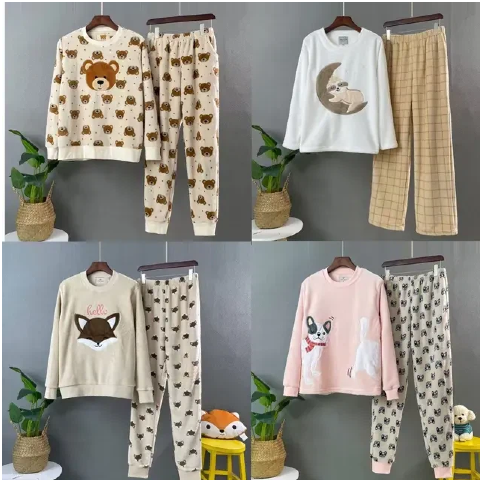
If a baby seems cool, the better solution is often to adjust the sleepwear rather than to throw a blanket into the sleep space. Parents can switch from a lighter fabric to a warmer one, use a more suitable sleep layer, or simplify and rebalance what baby is already wearing. That keeps the bedtime setup more controlled and more consistent with safe sleep advice.
This is one reason fleece pajamas are so practical in winter. They allow parents to build warmth into the outfit itself instead of depending on extra loose coverings. For many families, that feels easier and safer.
Good bedtime dressing starts with the room, not with worry. Lullaby Trust recommends a room temperature around 16–20°C and encourages parents to add or reduce clothing based on that environment. That is a useful habit because it turns sleepwear into a deliberate choice instead of a reaction.
When parents match clothing to the room, they are less likely to overcorrect. A cool room may justify warm fleece sleepwear. A warmer room may call for something lighter. In both cases, the goal is the same: choose the right sleepwear first rather than adding a blanket by default.
Sleep Situation | Is a Blanket Needed? | Safety Concern | Better Alternative |
Baby in fleece pajamas in a cool room | Usually no | Loose blanket can shift in sleep space | Let the sleepwear provide the warmth |
Baby in fleece plus other warm layers | No | Added heat may be excessive | Reduce layers instead of adding more |
Baby seems cool but room is still within a comfortable range | Usually no | Blanket may solve the wrong problem | Check chest and back first |
Baby truly seems underdressed for the room | Blanket still not the first step for infants | Loose bedding remains a concern | Change to warmer sleepwear |
Parents want a cozier setup just in case | Not recommended for infants | Safety and overheating risk | Use temperature-based clothing choices |
This question reveals something important about how families shop. They are not just looking for pajamas that look cute or feel plush. They want sleepwear that helps solve a real bedtime concern. Parents want to know whether a product helps baby stay warm in a way that feels practical and safer to use.
That makes this topic valuable for both content and product positioning. When a brand explains not only what fleece is, but also when it reduces the need for extra loose covering, the product becomes more meaningful to the customer.
Thoughtfully made fleece sleepwear fits this demand because it provides warmth through the garment itself. Soft-touch fabric, comfortable fit, dependable construction, and winter-ready design all matter when parents are trying to build a bedtime routine that feels simple and appropriate.
CXWM’s fleece pajama collections are designed around those practical needs. Our fleece sleepwear is made for warmth, comfort, durability, and strong visual appeal, helping retailers and buyers offer winter products that answer genuine family concerns rather than just seasonal fashion trends. CXWM also presents its fleece pajamas as soft-touch, insulating winter sleepwear for colder climates, which aligns naturally with the kind of parent need discussed in this article.
If a baby is already wearing fleece pajamas, adding a blanket is often unnecessary, and for infants the priority should always be safe sleep rather than extra layers. Warmth should come from the right sleepwear choice and an appropriate room environment, not from stacking loose coverings on top. For brands and retailers serving cold-season family markets, CIXI WOMEI offers carefully made Fleece Pajamas that help combine comfort, simplicity, and winter-ready appeal in a more practical way. Contact us to learn more about our fleece sleepwear styles and customization options.
In many infant sleep situations, no. If baby is already wearing warm fleece pjs, adding a blanket is often unnecessary and may not be the safest choice.
Loose blankets can shift, bunch up, or cover part of a baby’s face in the sleep space. Safe-sleep guidance recommends keeping loose bedding out of the infant sleep area.
Check the baby’s chest, back, or neck rather than relying on hands and feet alone. If the body feels comfortably warm and dry, the sleepwear is usually sufficient.
For infants, it is usually better to adjust the sleepwear or use a more suitable wearable sleep layer instead of adding a loose blanket.


