


A soft pair of fleece pjs can feel ideal for colder nights, but many parents still wonder whether that extra warmth might be too much. The answer is not simply yes or no. Fleece pajamas are not automatically too hot, yet they can become uncomfortable if the room is already warm, the baby is dressed in too many layers, or the sleepwear is heavier than the situation requires. At CIXI WOMEI, we design sleepwear for real seasonal needs, and this question matters because parents are not just looking for warmth. They want warmth that still feels balanced and comfortable through the night.
Fleece is popular because it keeps warmth close to the body. Compared with many standard cotton sleepwear styles, it usually feels thicker, softer, and more insulating. That is exactly why parents often reach for it in winter. On a cool night, fleece can help a baby feel more settled and comfortable without relying on too many separate layers.
At the same time, that strength can become a drawback if the room does not really need that much insulation. Fleece is warmer by nature, so it has to match the sleep environment. The issue is not whether fleece works well. It is whether the room and the outfit actually call for that level of warmth.
Overheating usually happens when parents dress a baby for the season instead of the actual room temperature. It may be cold outside, but if the nursery stays warm all night, winter-weight sleepwear can easily feel excessive. This is especially common during seasonal transitions or in homes with strong heating.
That is why fleece should be treated as a useful cold-weather option, not an automatic choice every night. Once parents focus on the room rather than the calendar, the decision becomes much easier.
Babies cannot explain when sleepwear feels too warm, so parents need to watch for signs. Sweating is one of the clearest clues. Damp hair, a sweaty neck, flushed cheeks, or an overly warm chest can all suggest that the pajamas are trapping too much heat. Restlessness and unusual fussiness may also point to discomfort.
It is usually better to check the chest, back, or neck than to judge by hands or feet alone. Hands and feet can feel cooler even when the baby is perfectly comfortable.
Temperature issues often show up in sleep patterns. A baby who wakes more often, squirms, or seems harder to settle may be too warm rather than too cold. Many parents respond to restless sleep by adding another layer, but sometimes the real solution is to reduce warmth instead.
That is why sleepwear should always be viewed as part of sleep quality. A good bedtime outfit should support steady, comfortable rest, not just feel warm at bedtime.
In real life, fleece usually feels too hot when the sleep setup does not match the room. Heated bedrooms, mild indoor climates, and nights when the temperature does not drop as expected can all make fleece feel heavier than necessary. Seasonal changes can create the same problem. Parents may switch into winter sleepwear too early and then realize the nursery is still relatively warm.
This is why bedtime clothing should be adjusted based on current conditions instead of habit. A fleece sleeper may be perfect one week and unnecessary the next.
Often, fleece itself is not the only issue. The bigger problem is what gets layered on top of it. A bodysuit, socks, a sleep sack, and other warm bedtime pieces can quickly turn a comfortable outfit into an overheated one. Because fleece already provides insulation, the rest of the outfit should usually stay simple unless the room is genuinely cold.
In many cases, one warm element is enough. When every bedtime item is chosen for maximum warmth, the full setup can go too far.
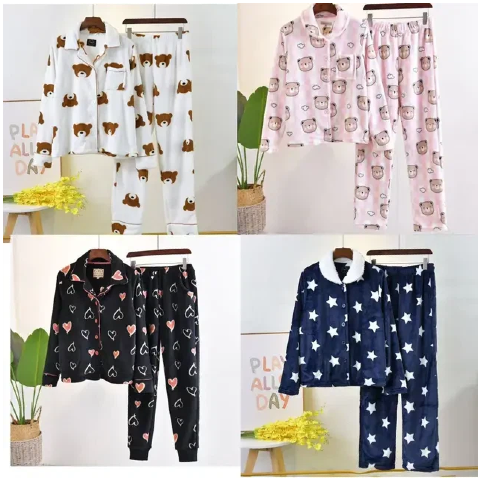
Fleece pajamas usually work well in cooler rooms where a baby needs extra warmth for sleep. In that setting, fleece does what parents want it to do. It helps keep the baby cozy without relying on loose coverings and can make the bedtime routine feel simpler.
This is why fleece remains a practical winter sleepwear choice. In the right environment, it is not too hot at all. It is simply appropriate.
Not all fleece sleepwear feels the same. A well-made style with a soft finish, comfortable shape, and thoughtful construction will usually feel better in use than something stiff or bulky. Fit also matters. Sleepwear should feel secure and comfortable without making movement difficult.
For buyers, that means premium fleece sleepwear is easier to position in the market. Parents may not describe fabric performance in technical terms, but they notice softness, comfort, and overall feel.
The simplest rule is to change one thing at a time. If parents choose warmer pajamas, they should usually avoid adding several other warm layers at once. If they use extra bedding or another sleep layer, the pajamas underneath may need to be lighter.
This makes bedtime easier to judge. A simple outfit gives clearer feedback than a complicated one with too many warming pieces.
The outfit that seems fine at bedtime may feel different after the baby has been asleep for a while. Body heat settles into the sleepwear, and room temperature may shift later in the night. A quick check of the neck or chest after sleep begins can help parents see whether the setup still feels comfortable.
This habit is useful because it replaces guesswork with observation. It also helps parents make better choices the next night.
Sleep Condition | Risk of Overheating | Better Approach | Parent Checkpoint |
Warm bedroom with heating on | High | Choose lighter sleepwear | Check neck and chest after sleep begins |
Mild room during seasonal change | Medium | Use fleece only if baby seems cool | Watch for sweating or restless sleep |
Cool room in winter | Low | Fleece is often appropriate | Keep the rest of the outfit simple |
Fleece plus several extra layers | High | Remove one or more warm items | Reassess after 30 to 60 minutes |
Baby tends to sleep warm | Medium to high | Use lighter layering | Focus on comfort signs, not the season |
This topic matters because it reflects how customers really think. Parents are not just asking whether fleece looks soft or feels warm. They want to know when it is useful and when it may be too much. Honest guidance builds trust and helps products feel more credible.
That is why fleece should be marketed as a strong seasonal solution rather than something for every night of the year. Clear education helps customers choose the right product at the right time.
Comfort, softness, durable stitching, and reliable quality control all improve how fleece sleepwear performs in the market. Parents want pajamas that feel pleasant, wash well, and stay comfortable through repeated use. Buyers want products that are easy to explain and easy to sell.
At CIXI WOMEI, our fleece sleepwear is developed with these practical needs in mind. Soft fabric handfeel, winter-friendly warmth, and dependable construction make our collections more appealing for brands and retailers serving family-focused markets.
Fleece pajamas are only too hot when they do not match the room or when the sleep setup adds more warmth than the baby actually needs. In the right setting, they are a comfortable and useful cold-weather option rather than a problem. That is why thoughtful product design and accurate education matter so much. For brands and retailers building winter baby collections, CIXI WOMEI offers carefully made Fleece Pajamas that balance warmth, comfort, and market appeal. Contact us to learn more about our fleece sleepwear styles and customization options.
No. Fleece pjs are usually fine in cooler rooms where extra warmth is needed, but they can feel too warm in heated or mild indoor spaces.
Parents should watch for sweating, damp hair, flushed cheeks, a hot neck or chest, restless sleep, and unusual fussiness.
The most common causes are a warm room and too many layers. Fleece often becomes too hot when it is combined with several other warm bedtime items.
Yes. Babies can sleep well in fleece pajamas when the room is cool, the layering is simple, and parents pay attention to comfort signs.


