
Views: 0 Author: Site Editor Publish Time: 2026-03-05 Origin: Site


Fleece pajamas are a staple of winter comfort, offering a unique combination of lightweight warmth and a plush, cloud-like texture. Whether you are a parent trying to keep your baby cozy or a retailer looking to provide the best care advice to your customers, understanding the science of fleece maintenance is essential. Unlike natural fibers such as cotton or wool, fleece is a high-performance synthetic material that requires a specific laundry approach to preserve its loft, breathability, and flame-resistant properties.
At Womei Textile Factory (CXWM), we have spent over 18 years perfecting the production of kids fleece pajamas. We know that the way a garment is treated in the laundry room is just as important as how it was manufactured in our factory. Improper washing can lead to pilling, loss of softness, and even safety hazards. This comprehensive guide will walk you through the technical reasons why fleece needs special care and the exact steps you should take to keep your winter sleepwear in pristine condition for years to come.
To understand why you cannot simply toss your fleece pajamas into a hot wash with your towels, you must first understand the structure of the fabric. Fleece is typically made from polyester, a synthetic polymer that is extruded into fine filaments and then knitted into a fabric. This fabric is then brushed using specialized machinery to create a deep, fuzzy pile.
The warmth of fleece pajamas comes from the millions of tiny air pockets trapped within the brushed fibers. These pockets act as a thermal barrier, holding your body heat close to your skin. When you wash fleece incorrectly, these fibers can become matted, flattened, or even partially melted. Once the loft is lost, the air pockets disappear, and the pajamas lose their primary function: insulation. Maintaining the physical structure of the pile is the most important goal of a proper washing routine.
Polyester is naturally hydrophobic, meaning it repels water and does not absorb stains as deeply as cotton does. While this makes kids fleece pajamas resistant to water-based spills, it also means that oily stains (such as lotions or skin oils) can cling to the synthetic fibers. Standard detergents and high heat can sometimes set these oils rather than removing them, requiring a more strategic approach to cleaning that balances soil removal with fiber protection.
If you take nothing else away from this guide, remember these two rules: keep it cool and skip the softener. Most of the damage done to fleece pajamas happens because of these two common laundry additions.
Polyester is essentially a form of plastic. Like all plastics, it has a low melting point. When you expose kids fleece pajamas to high temperatures in the washing machine or the dryer, the microscopic tips of the fibers can actually singe or fuse together. This is what causes that scratchy, crunchy texture that often plagues old fleece garments. Once these fibers have melted, the damage is irreversible. To keep your pajamas as soft as the day you bought them, you must avoid hot water and high-heat drying cycles at all costs.
It seems counterintuitive, but fabric softener is the worst thing you can use on fleece pajamas. Softeners work by coating the fibers in a thin layer of chemicals, usually waxes or oils, to make them feel slippery. On fleece, this coating clogs the gaps between the fibers, which destroys the fabric’s breathability and moisture-wicking capabilities. Furthermore, this chemical buildup can increase the flammability of the garment, which is a major safety concern for children's sleepwear. For the safety of your child and the longevity of the fabric, always keep softeners far away from your winter laundry.
Before the water even starts running, there are several steps you can take to protect your fleece pajamas from the mechanical stress of the washing machine.
Always turn your kids fleece pajamas inside out before washing. The friction of the washing machine drum and other clothes in the load can cause the outer surface of the fleece to pill or fray. By washing the garment inside out, you ensure that the plush, visible side of the fabric remains protected from abrasive forces. This simple habit is one of the most effective ways to maintain that brand-new look for multiple seasons.
Zippers are essentially small metal or plastic saws in your laundry load. If left open, the teeth of a zipper can snag the soft pile of your fleece pajamas, leading to pulls and tears. Before washing, zip up all zippers and fasten all snaps. This not only protects the pajamas themselves but also prevents the hardware from damaging other delicate items in the same load. At CXWM, we use high-quality zippers designed for durability, but they still require proper handling to ensure they don't cause collateral damage in the drum.
Fleece is a lint magnet. If you wash your kids fleece pajamas with lint-producing items like cotton towels or sweatshirts, the fleece will trap those tiny cotton fibers in its pile, creating unsightly white fuzz that is nearly impossible to remove. Always wash fleece with other synthetic materials or in a load of its own. Sorting by color is also important, as synthetic dyes can occasionally migrate, especially during the first few washes of vibrant seasonal prints.
The chemicals you put into the water are just as important as the water temperature. For fleece pajamas, less is often more.
Because polyester does not hold onto dirt like natural fibers do, you do not need a heavy-duty or highly concentrated detergent. A mild, liquid detergent is best for kids fleece pajamas. Avoid powdered detergents, as they may not dissolve completely in the cold water cycles required for fleece, leaving behind a gritty residue that can irritate a baby’s sensitive skin.
If your fleece pajamas have developed a lingering odor or feel slightly stiff from previous washes, white vinegar is your best friend. Adding half a cup of distilled white vinegar to the rinse cycle helps break down any residual detergent or mineral buildup from hard water. Vinegar acts as a natural softener without the dangerous chemical coating of commercial products, and it also helps to kill bacteria and neutralize odors without affecting the flame-resistance of the fabric.
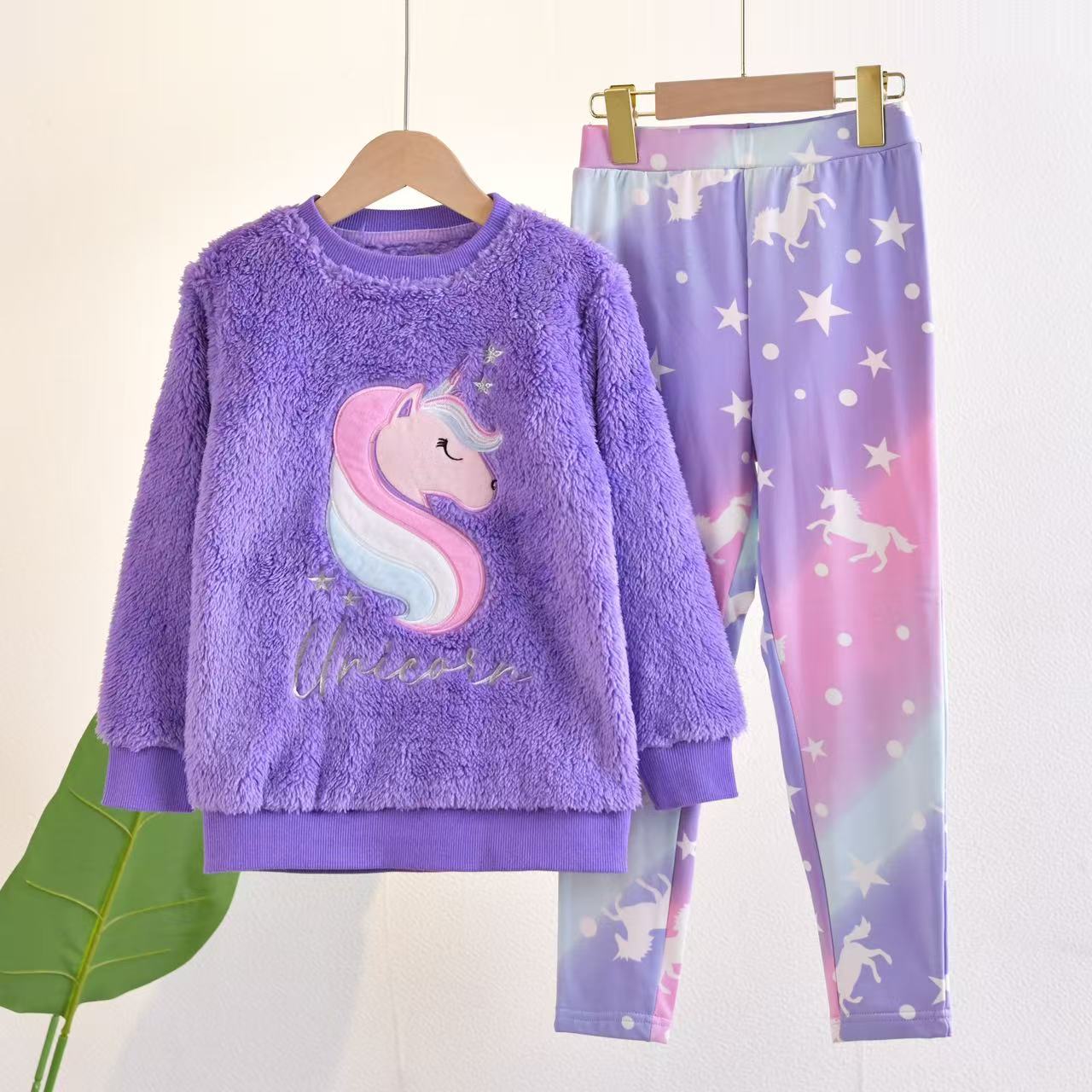
Modern washing machines offer a variety of cycles, but for fleece, simplicity is the key to longevity.
Always set your machine to the cold water setting. Cold water is sufficient to remove everyday dirt and oils from polyester without risking fiber damage. Even a "warm" setting can be unpredictable depending on your water heater, so sticking to cold is the safest way to ensure your kids fleece pajamas never experience heat stress.
The mechanical agitation of a standard wash cycle can be too aggressive for the brushed surface of fleece. The gentle cycle uses a slower spin and less vigorous movement, which minimizes the friction that leads to pilling. For premium fleece products from manufacturers like CXWM, this reduced agitation helps maintain the structural integrity of the seams and the embroidery details that are often found on high-end kids sleepwear.
If the washing machine is where fleece is cleaned, the dryer is where it is most often ruined. Because polyester is a thermoplastic, the heat of a standard residential dryer can easily exceed the temperature at which synthetic fibers begin to degrade or fuse together.
Whenever possible, air drying is the best way to preserve the lifespan of fleece pajamas. Because fleece is hydrophobic, it does not hold much water after the final spin cycle of the washing machine. This means it dries much faster than cotton. Hanging kids fleece pajamas on a drying rack or laying them flat on a clean towel allows the air to circulate through the fibers naturally without the risk of heat damage. This method also eliminates the friction of the dryer drum, which is a major contributor to pilling.
If you must use a dryer due to time constraints or high humidity, you must be extremely cautious. Always select the lowest possible heat setting—often labeled as air fluff or delicate. Even a medium heat setting can be enough to melt the microscopic tips of the fibers, resulting in a scratchy feel. Another professional tip is to remove the fleece pajamas while they are still slightly damp. This prevents the over-drying that leads to static electricity and fiber brittleness.
Just as liquid fabric softeners are detrimental to fleece, dryer sheets should also be avoided. Dryer sheets work by releasing a coating of wax when heated, which then deposits onto your clothing. This coating ruins the moisture-wicking properties of kids fleece pajamas and makes them less effective at regulating a baby’s temperature. If you are worried about static, consider using wool dryer balls. These provide a mechanical way to separate the clothes and soften the fabric without introducing harmful chemicals.
Pilling refers to the formation of small, fuzzy balls of fiber on the surface of a garment. It is the most common complaint regarding fleece pajamas, but it is often preventable with the right knowledge.
Pilling is caused by friction. When the fibers are rubbed together—either during wear or during the washing process—the ends of the fibers break and tangle into small knots. Because polyester is a very strong fiber, these knots do not simply fall off like they might on a wool sweater; they remain anchored to the fabric. Low-quality fleece is especially prone to this because the fibers used are shorter and more easily broken. At Womei Textile Factory, we utilize anti-pilling treatments during the fabric finishing stage to minimize this issue, but even premium fleece requires careful handling.
If your favorite pair of fleece pajamas has already started to pill, you don't have to throw them away. A manual fabric shaver or a specialized lint comb can gently remove these pills without damaging the underlying fabric. It is important to work slowly and keep the fabric flat to avoid cutting the material. Once the pills are removed, returning to a gentle washing routine can prevent them from returning as quickly.
It is a common misconception that pilling is only an aesthetic issue. In reality, a pilled surface is much less soft against a baby’s skin. The small knots create a rough texture that can be irritating to infants with sensitive skin or eczema. By managing pilling, you are directly contributing to the sensory comfort of the kids fleece pajamas, ensuring that they remain the soothing, cozy garment they were intended to be.
Since fleece pajamas are seasonal items, they often spend several months a year tucked away in closets or under-bed storage. How you store them determines if they will be ready for use when the next winter arrives.
Never store fleece pajamas that haven't been freshly washed. Even if they look clean, invisible skin oils, lotions, or traces of food can oxidize over time, leading to yellowing or permanent odors. These organic residues can also attract pests. While moths do not typically eat synthetic polyester, they can be attracted to the stains on the fabric, causing secondary damage. Ensure the pajamas are 100% dry before packing them away to prevent the growth of mold or mildew in enclosed spaces.
Vacuum storage bags are a popular way to save space, but they should be used with caution for fleece. High-loft fleece depends on the air trapped between the fibers for its warmth. If you compress kids fleece pajamas for six months in a vacuum bag, you may find that the fibers stay flattened even after you unpack them. If you do use compression bags, try to leave a little air in the bag, or be prepared to give the pajamas a quick, heat-free tumble in the dryer with some clean tennis balls to help restore the loft once the season starts.
Breathable fabric storage bins are superior to plastic tubs for fleece. Plastic can trap moisture and prevent air circulation, which can lead to a stale smell. Storing your fleece pajamas in a cool, dry place away from direct sunlight will prevent the colors from fading and keep the synthetic fibers from becoming brittle over time.
For retailers and wholesale buyers, educating the end consumer on how to wash fleece pajamas is a vital part of brand management. High-quality products from manufacturers like CXWM can still fail if the customer ruins them in the first wash.
A significant percentage of returns in the apparel industry are caused by improper care—shrinkage, pilling, or loss of softness. By providing clear, prominent care instructions on your website and packaging, you empower the customer to take care of their purchase. When kids fleece pajamas maintain their quality over time, the customer attributes that longevity to the brand’s quality, leading to repeat purchases and positive word-of-mouth marketing.
As a vertically integrated factory with 18 years of experience, we understand that a care label is more than just a legal requirement. It is a technical guide. We ensure that every garment we export has a label that accurately reflects the needs of that specific fabric blend. For B2B clients, we recommend going a step further by including a "care card" or a digital guide that explains the "no heat, no softener" rule in more detail. This extra touch of service distinguishes a premium brand from a generic one.
Synthetic fibers like polyester can sometimes trap odors. If cold water and detergent aren't doing the trick, try soaking the fleece pajamas in a mixture of cold water and one cup of baking soda for an hour before washing. Alternatively, the white vinegar rinse mentioned in Part 1 is highly effective at neutralizing odors without the need for high heat.
Static is caused by over-drying. If your kids fleece pajamas are clinging to everything, it means the air is too dry or they stayed in the dryer too long. You can lightly mist the pajamas with water to neutralize the charge, or touch them with a metal hanger to discharge the static. In the future, air drying is the best way to prevent static from building up in the first place.
Absolutely not. You should never use an iron on fleece. Because the fabric is made of plastic fibers, the high heat of an iron will melt the pile instantly, leaving a shiny, flat, and ruined patch on the garment. Fortunately, fleece is naturally wrinkle-resistant. If you hang your fleece pajamas promptly after washing or drying, any minor wrinkles will fall out on their own.
Yes, as long as the baby blankets are also made of synthetic materials like polyester or microfiber. Avoid washing fleece with cotton blankets or towels, as the lint from the cotton will become trapped in the fleece pile, making it look aged and messy.
Washing fleece pajamas correctly is an investment in comfort and safety. By respecting the chemical and physical properties of polyester, you can prevent the most common issues that plague winter sleepwear. Cold water, gentle cycles, and a strict "no heat" policy for drying are the secrets to maintaining that soft-touch finish that makes fleece so beloved.
For the parent, these habits ensure that your baby stays warm and cozy in a garment that feels as good on the last day of winter as it did on the first. For the professional buyer, sourcing high-quality kids fleece pajamas from an experienced manufacturer like Womei Textile Factory is the first step, but educating your customers on proper care is the final step in ensuring long-term satisfaction.
Fleece is a remarkable material that brings joy and warmth to millions of homes every year. With just a little bit of extra attention during laundry day, your fleece pajamas can remain a durable, safe, and incredibly soft staple of your family's winter routine.


