
Views: 0 Author: Site Editor Publish Time: 2026-03-02 Origin: Site


For parents navigating the winter months, the nightly ritual of dressing a baby for sleep can feel like a high-stakes calculation. You want your child to be warm enough to sleep through the night without waking from a chill, but the fear of "overheating" is always present in the back of a parent's mind. This brings us to a polarizing staple of the nursery wardrobe: fleece pajamas.
Fleece is beloved for its ability to provide instant, cuddly warmth. However, because it is an incredibly efficient insulator, many wonder if it crosses the line from "cozy" to "sweltering." In the textile industry, particularly at Womei Textile Factory (CXWM), we understand that the answer isn't a simple yes or no. It depends on fiber density, room ambient temperature, and the specific physiological stage of the child. This guide will move beyond generalities to provide a technical and practical look at whether kids fleece pajamas are too hot for your baby and how to master the art of winter sleepwear.
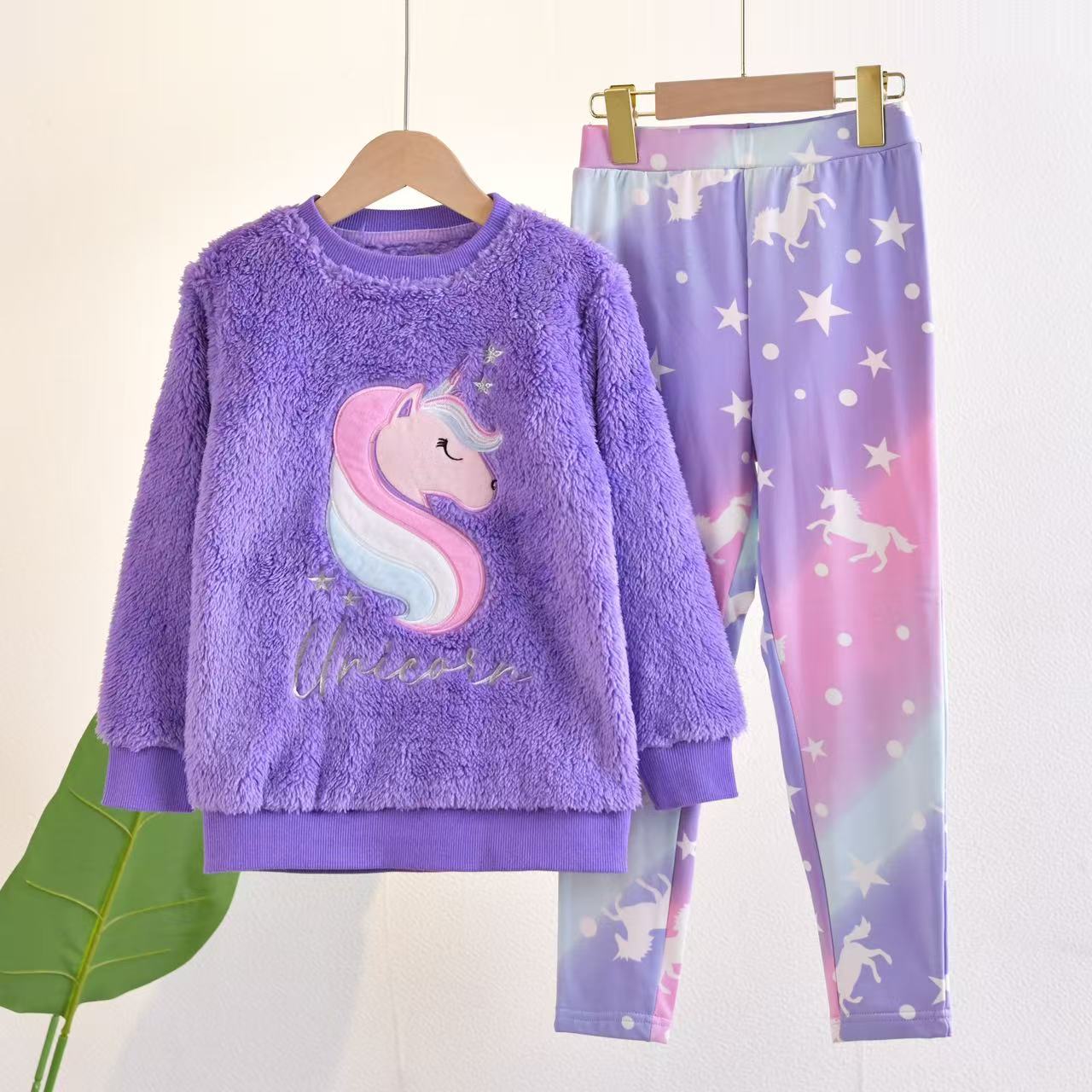
To understand if fleece pajamas are too hot, we must first look at the biological "thermostat" of an infant. Unlike adults, who have a mature ability to regulate internal temperature through sweating and vascular changes, babies are still developing these systems.
Babies have a very high surface area-to-mass ratio. This means they lose heat nearly four times faster than adults. To compensate for this rapid heat loss, we often over-correct by bundling them in heavy fabrics. However, the same biological trait that makes them lose heat fast also means they can absorb environmental heat just as quickly. When a baby is wrapped in high-density kids fleece pajamas, their body can struggle to dump excess heat if the room temperature rises even slightly.
Adults rely on sweat to cool down via evaporation. While babies do have sweat glands, they are most active on the head and neck and don't function with the same efficiency as an adult’s. If a baby begins to overheat in fleece pajamas, they cannot effectively "perspire away" the heat. Instead, their core temperature rises, leading to restlessness, dehydration, and in severe cases, heat stress. This makes the "breathability" of the fleece garment the most critical factor in preventing a baby from becoming too hot.
The question "Is it too hot?" cannot be answered without looking at the thermostat in the nursery. Medical professionals generally recommend a sleep environment between 18°C and 22°C (64°F to 71°F).
In a room that is at the upper end of the recommended range (21°C–22°C), a standard pair of kids fleece pajamas might indeed be too hot for an active sleeper. At this temperature, the insulation provided by the synthetic fibers can trap too much metabolic heat. For these "warmer" nurseries, a lightweight microfleece (typically under 200 Gsm) is the only appropriate choice.
Conversely, in many parts of the world where central heating is not used or where winter temperatures are extreme, a nursery might drop to 16°C (60°F) or lower. In these specific environments, fleece pajamas are not "too hot"; they are a vital safety tool. They provide the necessary thermal barrier that allows a baby to maintain their core temperature without the need for dangerous loose blankets.
In the textile manufacturing world, we don't just talk about "fleece"; we talk about Gsm (Grams per Square Meter). The density of the fabric is the primary driver of its thermal properties.
When sourcing or buying fleece pajamas, the thickness of the material determines the "heat trap."
100-150 Gsm (Microfleece): This is thin, highly breathable, and rarely "too hot" for a standard nursery. It behaves similarly to a heavy flannel.
200-250 Gsm (Mid-weight Fleece): This is the industry standard for winter sleepwear. It provides significant insulation and is best used when the room temperature is consistently below 20°C.
300+ Gsm (Heavy Polar Fleece): This is typically reserved for outdoor wear or extremely drafty environments. For a standard modern home, this weight is often too hot for overnight sleep.
Fleece works by trapping air in its "pile"—the fuzzy surface of the fabric. Air is a poor conductor of heat, which makes it an excellent insulator. The higher the pile, the more air is trapped, and the warmer the garment feels. At Womei Textile Factory, we utilize advanced brushing techniques to create kids fleece pajamas that maximize softness while maintaining a controlled pile height. This ensures that the garment feels cozy without becoming a "heat box."
The biggest misconception about fleece pajamas is that they are entirely "unbreathable" because they are made of polyester. While it is true that polyester is a synthetic polymer, the construction of the knit allows for varying degrees of air permeability.
High-quality fleece pajamas are designed to be hydrophobic. This means they do not absorb moisture (like sweat); instead, they "wick" it away to the surface where it can evaporate. If a fleece garment is too hot, it is often because the knit is too tight, preventing air from circulating.
In our quality control labs, we measure the rate at which air can pass through the fabric. A "safe" pair of kids fleece pajamas must allow for a certain amount of gas exchange. This prevents the "greenhouse effect" inside the pajamas, where the baby’s own body heat and moisture become trapped, leading to rapid overheating. When choosing fleece, the "hand-feel" should be airy and soft, not stiff or plastic-like.
Just like adults, some babies are "hot sleepers" and others are "cold sleepers." This individual metabolic variation plays a huge role in determining if fleece pajamas will be too hot.
Does your baby move constantly during the night? Physical activity generates heat. A toddler who is constantly rolling, kicking, and repositioning in their kids fleece pajamas is generating significantly more metabolic heat than a newborn who remains relatively still. For these active older infants, a heavy fleece can quickly become too hot, leading to nighttime wakefulness.
Before deciding that fleece is the problem, parents should conduct a "touch test."
Check the Core: Feel the baby's chest or tummy. It should be warm, not hot.
Check for Dampness: If the baby’s hair or the collar of the fleece pajamas is damp, they are definitely too hot.
Monitor Behavior: Overheating often leads to "false starts" in sleep or frequent waking. If your baby sleeps better in lighter cotton, but struggles in fleece, it’s a clear sign that the fleece weight is too high for their specific metabolism.
The most common mistake that leads to a baby being "too hot" is the lack of a layering strategy. Often, parents put a baby in a heavy cotton bodysuit and heavy fleece pajamas, essentially creating a double-insulated layer that has no room for air circulation.
If you choose to use kids fleece pajamas, the base layer should be minimal. A short-sleeved cotton onesie or even just a diaper is often enough. This allows the fleece to do its job of trapping a thin layer of warm air without the base layer adding unnecessary bulk and heat.
A smarter way to manage heat is to use a lightweight pair of fleece pajamas paired with a sleep sack of a different TOG (Thermal Overall Grade). This allows for easier adjustments. If the room feels warmer than usual, you can remove the sleep sack and let the baby sleep in just the pajamas. If the temperature drops at 3 AM, the layering system provides the flexibility that a single, ultra-thick fleece garment does not.
As a factory with 18 years of experience in the textile industry, Womei Textile Factory (CXWM) recognizes that we play a vital role in preventing infant overheating. The "Unique Advantages" we offer—such as vertical integration and in-house fabric production—allow us to control the thermal properties of our fleece pajamas with scientific precision.
By producing our own fabric, we can ensure that the polyester fibers are extruded and knitted to specific air-permeability standards. We don't just aim for "warmth"; we aim for "thermal balance." This means creating kids fleece pajamas that retain enough heat for comfort but allow for enough air exchange to keep the baby’s micro-climate stable.
A responsible manufacturer provides clear data. Whether it's the Gsm of the fabric or the TOG rating of the final garment, providing this information to wholesale buyers and retailers is essential. It allows the end-consumer (the parent) to make an informed decision based on their specific nursery conditions, effectively eliminating the "too hot" risk through education and transparency.
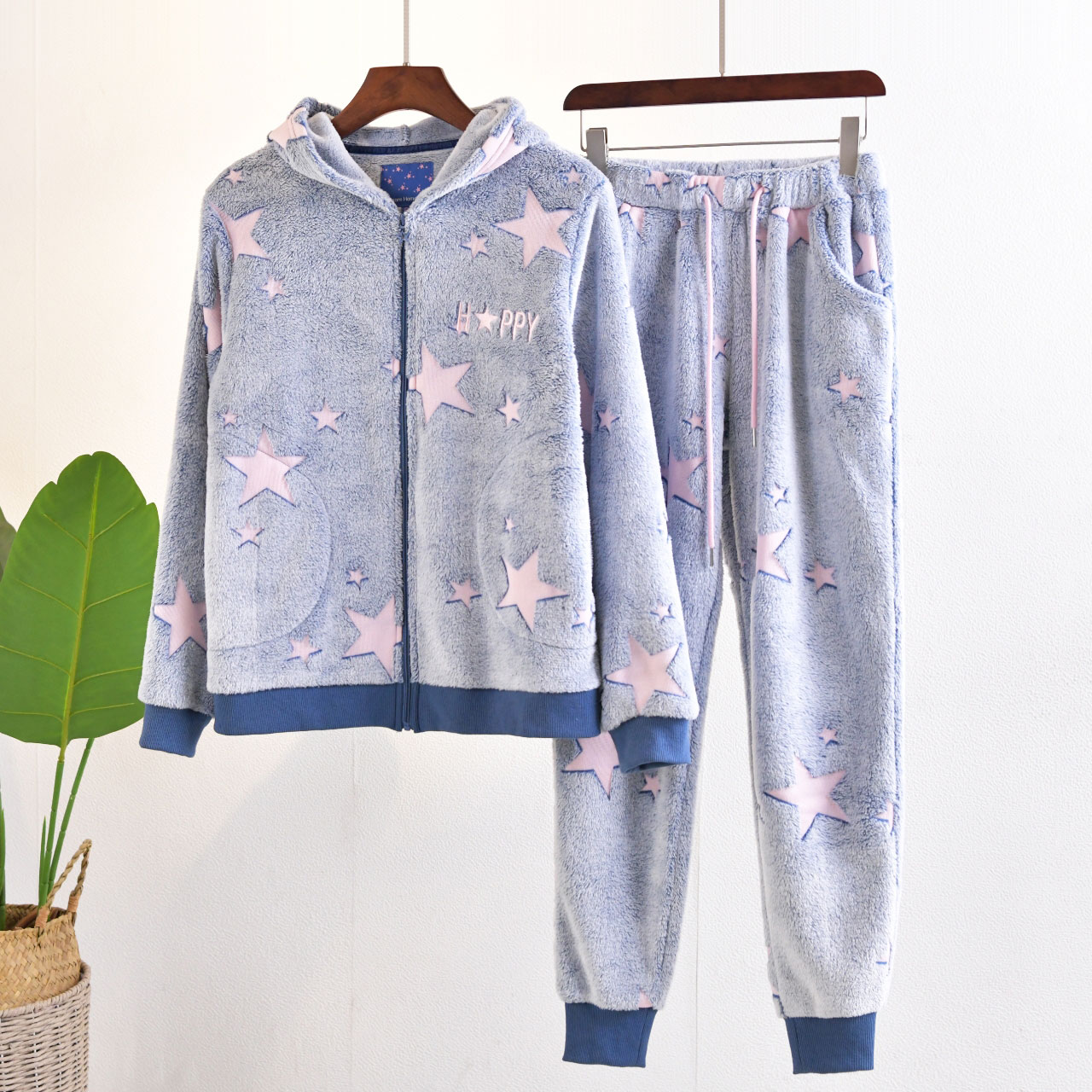
A common mistake in the global textile trade is assuming that a single "winter" product will work everywhere. In reality, the effectiveness and safety of fleece pajamas are heavily influenced by the humidity and air quality of the local environment.
In regions with low humidity (such as the Northern United States, Canada, or Northern China in winter), the air is exceptionally dry. Dry air does not conduct heat away from the body as efficiently as moist air, but it does cause moisture on the skin to evaporate rapidly. In these climates, kids fleece pajamas are rarely "too hot" because the dry air allows for quick moisture transfer. However, static electricity becomes a major comfort issue. High-quality fleece manufactured by experienced plants like CXWM often includes anti-static treatments to ensure that while the baby stays warm, they aren't bothered by the "snap" of dry-weather friction.
Coastal or "wet cold" environments present a different challenge. Damp air is a much better conductor of heat, meaning it "pulls" warmth away from the body more aggressively. For a baby in a humid, 15°C (59°F) room, cotton pajamas can actually become dangerous. Cotton is hydrophilic; it absorbs ambient moisture from the air, making the garment feel damp and heavy. In this scenario, fleece pajamas are the superior choice. Because they are hydrophobic, they repel external moisture and keep the baby’s skin dry and warm. The "too hot" risk in humid climates is actually lower because the damp air helps dissipate excess heat more effectively than dry air.
When parents ask if fleece pajamas are too hot, they are often actually worried about sweat. The "Sweat-Chill" cycle is a dangerous phenomenon where a baby overheats, sweats into their clothing, and then becomes dangerously cold once they stop moving or the room temperature dips in the early morning.
Natural fibers like cotton are excellent at absorbing sweat—but they are terrible at letting it go. A sweat-soaked cotton pajama stays wet for hours, stripping the baby of body heat.Kids fleece pajamas, being made of polyester, have a moisture regain rate of less than 1%. This means they don't hold onto sweat. Instead, the capillary action of the knit moves the sweat through the fabric to the outer surface. Even if the baby has a brief "hot flash" and sweats, the fleece dries almost instantly, preventing the subsequent chill. This moisture management is why professional athletes use synthetic fleece for high-intensity winter sports, and it’s the same reason it’s a safer choice for babies who tend to fluctuate in temperature during the night.
The goal of a high-end manufacturer is to maximize the "voids" in the fabric. By using specialized knitting machines, factories like Womei Textile Factory create a fleece structure that has millions of tiny air pockets. These pockets provide the insulation, but the gaps between the fibers allow for the escape of moisture vapor. If you are worried about a baby being too hot, always look for "brushed" fleece, which has a more open structure than "matted" or "pressed" fleece.
For B2B buyers and SEO specialists looking to position kids fleece pajamas in the market, it is essential to understand how fleece stacks up against other popular winter materials. This comparison helps in creating compelling product descriptions and answering customer concerns.
Flannel is a traditional favorite, but it lacks the elasticity and "loft" of fleece.
Warmth-to-Weight Ratio: Fleece is significantly lighter than flannel while providing the same level of warmth. For a baby, a heavy flannel garment can feel restrictive.
Durability: Fleece pajamas are much more resistant to shrinking and wrinkling than flannel. For parents, this means the pajamas maintain their "fit" (and thus their safety) through dozens of high-heat washes.
Velvet and velour are often chosen for their luxury "sheen." However, from a thermal management perspective, they are often "hotter" than fleece.
Air Permeability: Velvet has a very dense backing that significantly restricts air flow. This makes it much more likely to cause a baby to overheat compared to a standard microfleece.
Maintenance: Velvet tends to "crush" and lose its aesthetic appeal after a few washes, whereas kids fleece pajamas maintain their "fuzzy" loft for much longer.
If you are a wholesale buyer or a retail brand owner, avoiding the "too hot" complaint starts with your sourcing strategy. You must curate your collection based on the thermal needs of your target demographic.
In the textile industry, we categorize fleece into three seasonal tiers:
Transition Fleece (Early Autumn/Spring): Microfleece garments (130–160 Gsm). These are the "safe bet" for retailers because they are rarely too hot and can be used for layering.
Mid-Winter Fleece (Peak Season): Standard weight (180–220 Gsm). This is where the bulk of your kids fleece pajamas volume will be.
Arctic/Heavy Fleece (Niche Markets): High-density (250+ Gsm). Only stock these if you are targeting regions with severe winters and poorly insulated housing.
One of the "Unique Advantages" of Womei Textile Factory is our ability to customize fabric density. A buyer from the Southern US (where winters are mild) might request a 150 Gsm fleece with a high-breathability finish, while a buyer from Scandinavia might require a 220 Gsm fleece with a wind-resistant tight knit. By controlling the production at the factory level, we ensure that the fleece pajamas you sell aren't just "warm"—they are "regionally appropriate."
As an SEO specialist, incorporating these technical answers into your FAQ sections can significantly boost your "Expertise, Authoritativeness, and Trustworthiness" (E-A-T) scores.
Miliaria occurs when sweat ducts are blocked. If a baby wears fleece pajamas that are too heavy for the room temperature, the resulting sweat can lead to heat rash. However, this is not a fault of the fleece itself, but of improper "weight-to-temperature" matching. To prevent this, suggest that parents look for "breathable-certified" fleece and ensure the baby isn't overdressed underneath.
It affects both! Pilling (those little balls of fuzz) creates a dense, matted layer on the fabric surface. This matted layer actually reduces breathability by clogging the air gaps in the knit. An anti-pilling finish, which we prioritize at CXWM, ensures the fabric remains "open" and breathable for the entire lifespan of the garment, keeping the baby cooler and more comfortable.
Yes, and in fact, it’s a great combination. Humidifiers help prevent the static electricity associated with synthetic fibers in winter. Because kids fleece pajamas don't absorb that extra humidity from the air (unlike cotton), the baby stays warm and dry while their respiratory passages stay hydrated.
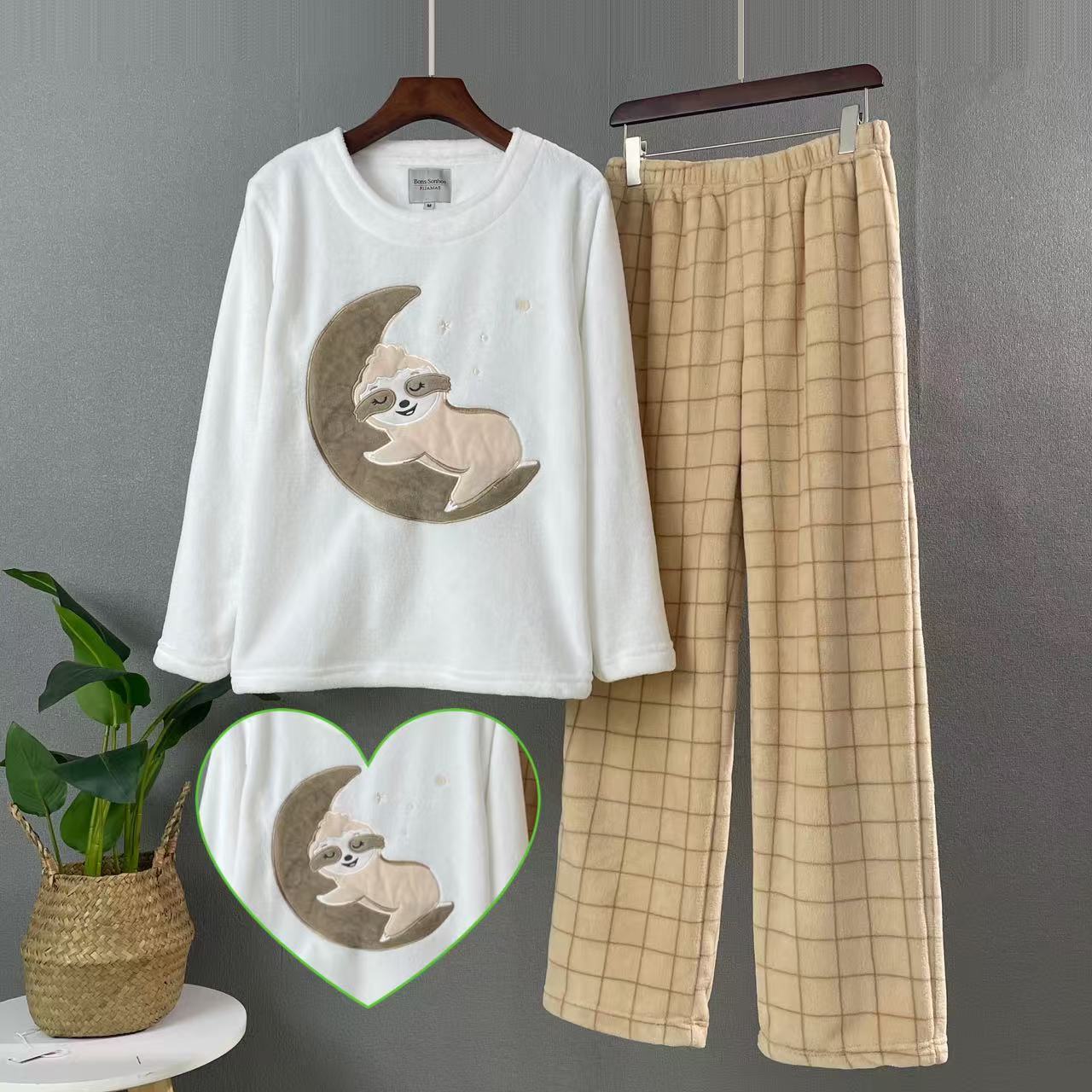
A pair of fleece pajamas that is "just right" today can become "too hot" or "not warm enough" tomorrow if cared for improperly. As we mentioned in Part 1, the use of fabric softeners is the primary culprit. Softeners coat the fibers, destroying the wicking action and the "breathability" that makes fleece safe.
For the B2B sector, providing clear care instructions on the label is a form of risk management. When parents follow these instructions, the product performs as intended, the baby stays at the perfect temperature, and the brand avoids negative reviews regarding "poor breathability" or "overheating."
At Womei Textile Factory, we don't just "make" pajamas; we engineer sleep environments. Our 18 years of experience have taught us that the difference between a satisfied customer and a return is often a matter of a few grams per square meter.
When we add embroidery to our kids fleece pajamas, we use a "soft-touch" backing. Cheap embroidery backings can be stiff and non-breathable, creating a "hot spot" on the baby’s chest. By using our own embroidery plant, we ensure that every decorative element is as breathable as the fleece it sits on.
Because we produce the fabric in-house, we can run "heat retention tests" on every batch. We know exactly how much heat each roll of fabric will trap. This data-driven approach to manufacturing is what allows our clients to confidently market their fleece pajamas as being safe and appropriately warm for their specific audience.
So, are fleece pajamas too hot for baby? The definitive answer is: Only if they are mismatched to the environment.
Fleece is a high-technology fabric that offers better moisture management, better weight-to-warmth ratios, and better durability than almost any natural fiber. When parents choose the right Gsm for their nursery temperature and practice smart layering, fleece becomes the ultimate tool for a safe, cozy winter.
For the B2B buyer, the key to success in the kids fleece pajamas market lies in diversity and education. By offering a range of weights and providing clear guidance on "When to wear what," you provide a service that goes beyond simple retail—you provide safety and comfort for the most precious customers of all.
By leveraging the manufacturing expertise of a vertically integrated factory like CXWM, brands can ensure that every piece of sleepwear they sell meets the highest standards of thermal regulation, keeping babies warm, dry, and never "too hot."


