
Views: 0 Author: Site Editor Publish Time: 2026-02-27 Origin: Site


The arrival of winter brings a unique set of challenges for parents, particularly when it comes to ensuring a baby sleeps soundly and safely through the night. As temperatures drop, the natural instinct is to bundle up our little ones in the softest, warmest materials available. This is where fleece pajamas often enter the conversation. Known for their cloud-like softness and exceptional insulating properties, they are a staple in nurseries worldwide. However, for a discerning parent or a professional buyer in the textile industry, the question of "warmth" is only half the battle. The more critical question is: Are they safe?
In this exhaustive guide, we will dive deep into the science of textile safety, the physiological needs of infants, and the manufacturing standards that separate high-quality kids fleece pajamas from potentially hazardous alternatives. Drawing on over 18 years of industry expertise from Womei Textile Factory (CXWM), we will explore why the right choice of sleepwear is a pillar of infant health and safety.
The transition from autumn to winter often leaves parents in a state of "thermal anxiety." Unlike adults, infants cannot simply pull up a blanket if they are cold or kick it off if they are hot. In fact, traditional blankets are discouraged by pediatricians for babies under 12 months due to the risk of Sudden Infant Death Syndrome (SIDS). This makes the choice of wearable sleepwear, such as fleece pajamas, the most important tool in a parent's winter arsenal.
Fleece is a synthetic miracle of the textile world. It was designed to mimic the warmth of wool without the weight or the "itch factor." For babies, whose skin is significantly thinner and more sensitive than that of adults, the tactile comfort of fleece is immediately appealing. But safety in the context of baby sleepwear isn't just about the fabric's touch; it’s about thermoregulation, chemical integrity, and structural design.
Historically, baby sleepwear was made primarily of heavy wool or thick cotton. While natural, these materials had drawbacks: wool could be abrasive, and cotton, while breathable, loses its insulating power if it becomes damp from sweat or a diaper leak. The introduction of high-performance polyester fleece changed the landscape. Today's kids fleece pajamas are engineered to be hydrophobic—meaning they don't absorb moisture—keeping the baby dry and warm simultaneously. This evolution has made fleece a global favorite, but it has also increased the need for strict manufacturing oversight to ensure these synthetic fibers remain safe for the most vulnerable users.
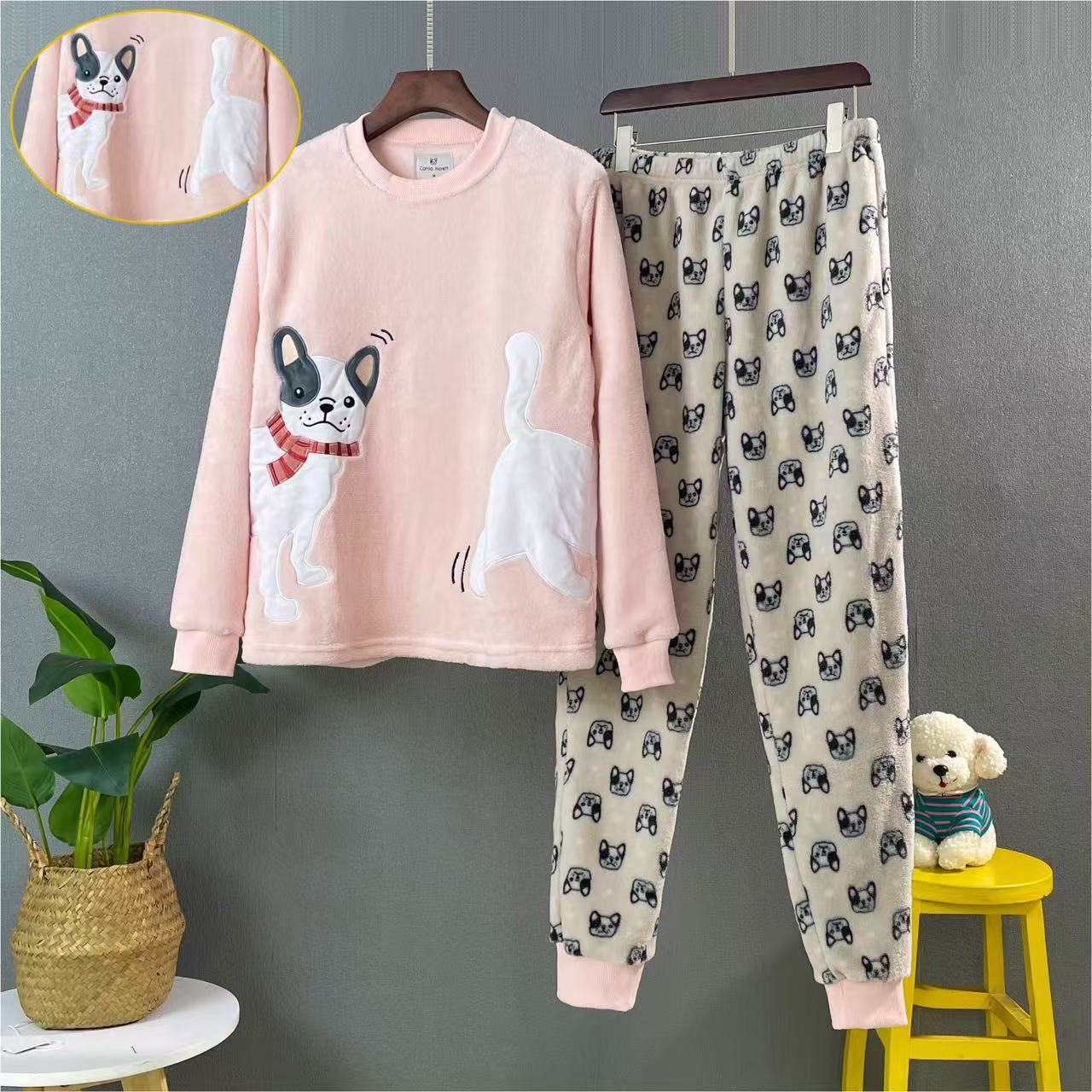
To understand if fleece pajamas are safe, one must first understand what fleece actually is. Despite its "fuzzy" appearance which might suggest a natural origin, fleece is a synthetic fabric typically made from polyethylene terephthalate (PET) or other synthetic fibers. It is created by twisting these fibers into a light fabric which is then brushed to create a deep, soft pile.
In the world of kids fleece pajamas, not all fleece is created equal.
Microfleece is the thinnest and most flexible type. It is highly breathable and ideal for layering. Because it is lightweight, it poses a lower risk of causing a baby to overheat in moderately cool indoor environments.
Polar Fleece is much thicker and offers higher insulation. While excellent for extremely cold climates, it requires more careful monitoring to ensure the baby doesn't get too hot.
From a manufacturing perspective, the "quality" of fleece is measured by its weight (Gsm) and its finish. At Womei Textile Factory, we emphasize the use of "Anti-pilling" fleece. Pilling—the formation of tiny balls of fiber on the fabric surface—isn't just an aesthetic issue. For a baby, these small fibers can be inhaled or swallowed, making the structural integrity of the fabric a direct safety concern.
The most significant safety discussion regarding fleece pajamas for infants centers on overheating. Medical research consistently shows that overheating is a leading environmental risk factor for SIDS. Because fleece is such an efficient insulator, it can sometimes be too good at its job.
Babies are not born with a fully developed thermoregulation system. They don't sweat as efficiently as adults, and they have a higher surface-area-to-body-mass ratio. This means they lose heat quickly but can also heat up dangerously fast. When a baby is encased in heavy kids fleece pajamas in a room that is already warm (above 20°C or 68-72°F), their core temperature can rise to unsafe levels.
Parents and caregivers must be educated on the physical signs of overheating. It is a common misconception that a baby’s hands or feet should be used to judge their temperature; these extremities are often naturally cool. Instead, one should check:
The Chest or Back of the Neck: If the skin feels hot, clammy, or sweaty, the baby is likely wearing too many layers or the fleece pajamas are too heavy for the room temperature.
Flushed Cheeks: A bright red face is a clear indicator of heat stress.
Rapid Breathing: If the baby is panting or breathing quickly during sleep, it may be an attempt to cool down.
To mitigate this risk, safety experts recommend the "one more layer" rule: a baby should generally wear one more layer than an adult would feel comfortable in in the same environment. If you are comfortable in a t-shirt, the baby might need a cotton bodysuit under their fleece pajamas.
A common critique of synthetic fleece pajamas is that they "don't breathe." In textile science, breathability refers to Moisture Vapor Transmission Rate (MVTR). If a fabric has low breathability, sweat stays trapped against the skin. For a baby, this moisture can cool down rapidly if they move away from a heat source, leading to a "chill" effect, or it can cause skin irritation and heat rashes.
However, modern high-quality kids fleece pajamas—especially those manufactured under rigorous standards like those at CXWM—are designed with a specific knit structure that allows air to circulate while still trapping heat in the fiber pockets. This balance is what makes "premium" fleece safe. When sourcing fleece, buyers should look for fabrics that have been tested for air permeability. A "suffocating" fabric is never safe for sleepwear.
When we ask "are fleece pajamas safe," we must look at the molecular level. Synthetic fabrics are products of chemical engineering. During the manufacturing process, various chemicals are used for dyeing, finishing, and ensuring the fabric meets flame-retardancy standards.
For a parent, the most important label to look for isn't the brand name, but the OEKO-TEX Standard 100 certification. This is an independent global testing and certification system for textile products. If kids fleece pajamas carry this label, it means every component—from the thread to the zipper and the dyes—has been tested for over 100 harmful substances.
These substances include:
Formaldehyde: Often used to prevent wrinkles but can cause severe respiratory issues and skin irritation in infants.
Azo Dyes: Certain dyes can break down into carcinogenic amines. Safe manufacturing ensures these are strictly prohibited.
Phthalates and Heavy Metals: Often found in plastic zippers or cheap prints, these are toxic if a baby chews on their clothing (as they often do).
By sourcing from a factory like Womei, which prides itself on passing the BSCI audit and holding Oeko-Tex certificates, buyers ensure that the "warm and fuzzy" pajamas are not hiding a cocktail of dangerous chemicals.
Safety isn't just about the fabric; it's about the "architecture" of the garment. The way kids fleece pajamas are constructed can introduce several physical risks.
In the United States and many other global markets, there are strict regulations regarding the fit of children's sleepwear. There are generally two paths to compliance:
Flame Resistant Treatment: The fabric is treated with chemicals to make it self-extinguishing.
Snug-Fitting Design: The pajamas are designed to fit very closely to the baby's body.
Why the snug fit? Because air is a fuel for fire. If a pajama is loose and flowy, and it accidentally comes into contact with a heat source (like a space heater or a candle), the oxygen between the fabric and the skin allows the fire to spread rapidly. Fleece pajamas are naturally more flame-resistant than untreated cotton, but they still must follow these sizing regulations to be considered safe for the market.
Infants are "active" sleepers, and they are also prone to exploring their world with their mouths. This makes the hardware on kids fleece pajamas a critical safety point:
Zipper Guards: A high-quality fleece sleeper should always have a "zipper garage"—a small tab of fabric at the top that covers the zipper pull. This prevents the metal from scratching the baby's chin and keeps curious fingers from pulling the zipper down.
Reinforced Snaps: If the pajamas use snaps, they must be "heavy-duty" and attached with industrial machinery. A loose snap is a major choking hazard.
Smooth Seams: Because fleece is thick, the seams can sometimes be bulky. For a baby’s sensitive skin, these seams must be "flat-locked" or finished in a way that doesn't cause chafing or pressure sores during a long night's sleep.
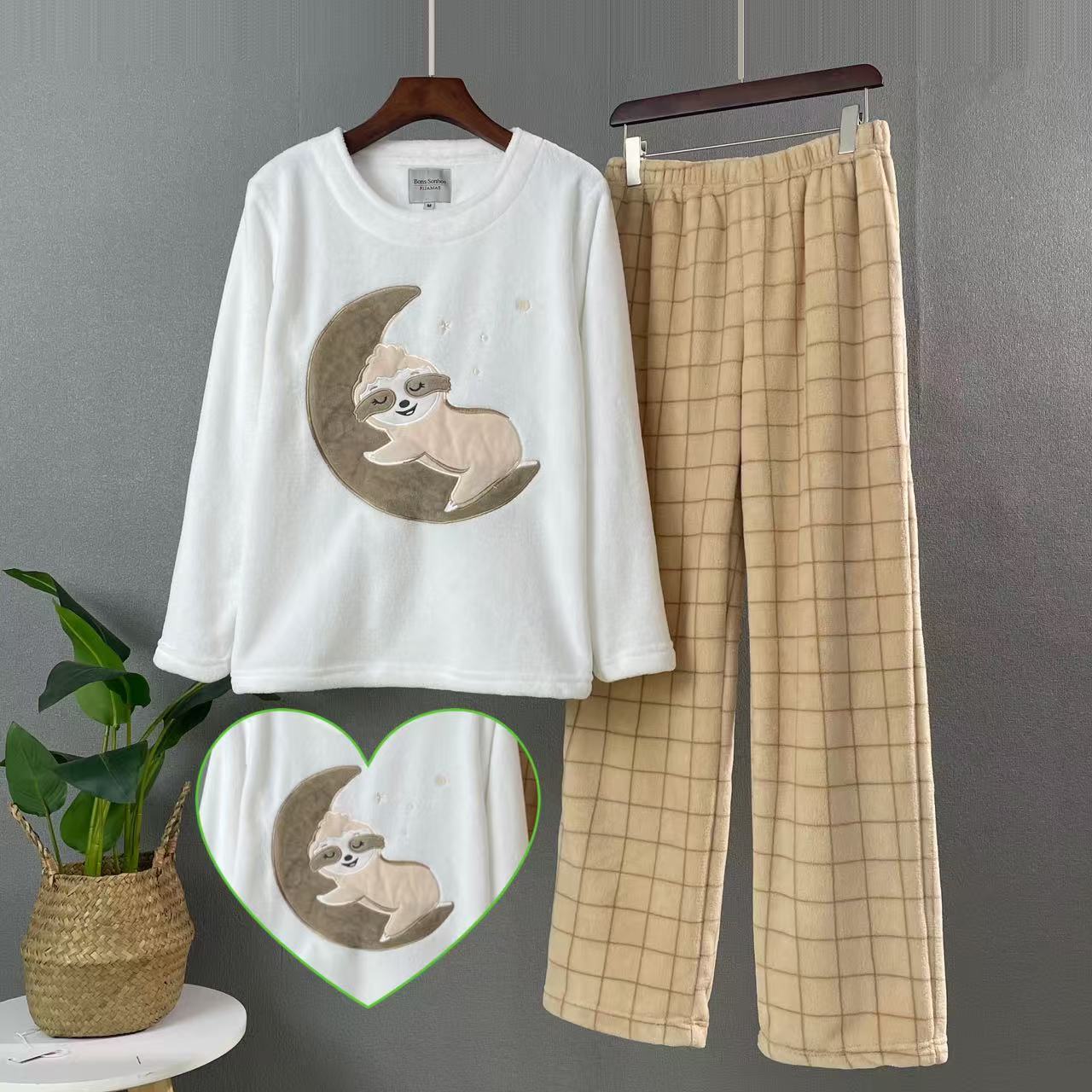
As a professional in the textile industry, I can attest that safety starts on the factory floor, not the retail shelf. A factory with 18+ years of export experience, like Womei Textile Factory, understands that international safety standards (like the CPSC in the US or the REACH in Europe) are not suggestions—they are the foundation of the business.
When a company controls the production from yarn sourcing to fabric production and finally to the embroidery and sewing plant, safety is easier to monitor. In a fragmented supply chain, a factory might buy fleece from a third party that used unsafe dyes. By producing fabric in-house, we can guarantee that the fleece pajamas produced are consistent in their chemical and physical properties.
Furthermore, having a dedicated embroidery plant means we can ensure that any decorative elements are backed with soft material and that the threads used are as safe as the base fabric. This holistic approach to manufacturing is what ultimately makes kids fleece pajamas a safe choice for families worldwide.
To truly master the safety of baby sleepwear, one must understand the concept of "Thermal Overall Grade," or TOG. This is a measure of thermal resistance used in the textile industry to indicate how much heat a garment retains. For anyone manufacturing or purchasing fleece pajamas, the TOG rating is the most reliable metric for preventing the overheating risks we discussed in Part One.
Unlike cotton, which usually sits at a low TOG (around 0.5), kids fleece pajamas can vary wildly depending on the density of the knit and the thickness of the pile. A lightweight microfleece might have a TOG of 1.0, while a heavy, double-sided polar fleece could reach 2.5 or higher.
Safety is not a "one size fits all" concept; it is an environmental equation.
Room Temps of 21–23°C (70–74°F): In a relatively warm room, a baby should only wear lightweight fleece pajamas with a low TOG. If the fleece is too thick, the risk of heat stress increases significantly.
Room Temps of 18–20°C (64–68°F): This is the "sweet spot" recommended by pediatricians. Here, a standard mid-weight fleece sleeper is ideal.
Room Temps Below 16°C (61°F): In older homes or colder climates, high-TOG kids fleece pajamas become a necessity. However, even in these conditions, breathability remains paramount to ensure that any perspiration is wicked away from the skin.
For wholesale buyers, providing clear TOG guidance on packaging is not just a marketing advantage—it is a critical safety service. At Womei Textile Factory, we emphasize the importance of precise fabric weight (Gsm) specifications so our clients can accurately label their products for different global climates.
As a baby grows from a sedentary newborn to a "toddler tornado," the safety requirements of their kids fleece pajamas shift. Choosing the wrong style for the baby's developmental stage can introduce new hazards that have nothing to do with the fabric itself.
At this stage, the primary concern is the "Startle Reflex" and the prevention of loose fabric near the face. Many parents opt for fleece sleep sacks or "swaddle-hybrid" fleece pajamas.
Safety Tip: Ensure the neckline is snug but not tight. A neckline that is too loose can allow the baby’s head to slip inside the garment, creating a suffocation risk.
Design Focus: Look for "inverted zippers" that unzip from the bottom up. This allows for diaper changes without exposing the baby’s chest to the cold air, maintaining a stable core temperature.
Once a baby begins to move, the structural integrity of fleece pajamas is tested. This is the age of "the great escape," where babies learn to pull at zippers and snaps.
The "Anti-Slip" Factor: If the pajamas are footed, the soles must have high-quality silicone grips. Inexpensive, poorly applied grips can peel off and become a choking hazard, or fail to provide traction, leading to slips on hardwood floors.
Durability: Crawling creates significant friction on the knees. High-quality kids fleece pajamas should feature reinforced stitching in high-stress areas to prevent the seams from bursting and exposing the baby’s skin.
Toddlers have higher metabolic rates and move more during sleep.
Two-Piece vs. One-Piece: While one-piece "onesies" are great for keeping drafts out, two-piece fleece pajamas offer more flexibility for potty training.
Fire Safety: This is the age where "snug-fit" regulations are most strictly enforced. Because toddlers are more mobile and likely to encounter household hazards, ensuring the fleece is either inherently flame-resistant or fits closely to the body is a non-negotiable safety standard.
You might have purchased the safest, most expensive kids fleece pajamas on the market, but if you don't maintain them correctly, their safety features can degrade over time. Fleece is a resilient material, but it has specific "enemies" in the laundry room.
This is perhaps the most overlooked safety tip in infant care. Many parents use fabric softeners to keep fleece pajamas feeling "fluffy." However, fabric softeners work by coating fibers in a thin layer of chemicals (waxes and oils).
Reduced Breathability: This coating clogs the pores of the fleece, significantly reducing its ability to wick moisture and circulate air.
Increased Flammability: These chemical coatings are often highly flammable. Using them on kids fleece pajamas can strip away the natural or treated fire-resistant properties of the fabric.
As we mentioned in Part One, "pilling" is a safety hazard because babies can inhale the small balls of fuzz. To keep fleece pajamas in top condition:
Wash Inside Out: This protects the outer "soft touch" surface from the abrasive action of the washing machine drum.
Use Cold Water: High heat can "melt" the microscopic tips of the polyester fibers, leading to a scratchy texture and increased pilling.
Air Dry When Possible: If using a dryer, use the lowest heat setting. High heat is the primary cause of fiber degradation in synthetic sleepwear.
For those in the business of apparel—whether you are a boutique owner or a large-scale distributor—sourcing kids fleece pajamas requires a technical eye. The "Unique Advantages" of a factory like Womei are designed to meet this specific checklist.
Does the factory source its own yarn? When a manufacturer like CXWM controls the fabric production in-house, they can ensure the "hand-feel" remains consistent across thousands of units. For fleece pajamas, consistency in "brushed" finishes is what prevents the fabric from feeling "plastic-y" or cheap.
Don't just take a supplier's word for it. Request to see the BSCI Audit and Oeko-Tex Standard 100 certificates. These documents are the ultimate proof that the kids fleece pajamas you are selling are safe for the end user. They guarantee that the factory respects labor laws and that the garments are free from toxic lead, phthalates, and AZO dyes.
Inspect the zippers and snaps. Are they YKK or of equivalent strength? For baby clothing, the "pull test" is standard. A zipper pull should be able to withstand significant force without detaching. The embroidery on fleece pajamas should also be backed with a soft lining so it doesn't irritate the baby's chest.
A 3,000-square-meter facility with 50+ employees allows for a balance of mass production and artisanal detail. Buyers should look for manufacturers who can handle large seasonal spikes (winter demand for fleece pajamas is massive) while still offering the flexibility to customize prints and sizing for different regional markets.
To conclude our guide, let’s address the common concerns that often leave parents and buyers hesitant.
Q: Can babies with eczema wear fleece pajamas?
A: It depends on the severity. While fleece is soft, it is a synthetic fiber. For babies with extremely sensitive skin or active eczema flares, the heat-trapping nature of fleece might cause irritation. However, if the fleece pajamas are Oeko-Tex certified (meaning no chemical irritants) and the baby wears a thin cotton bodysuit underneath, most babies handle fleece very well.
Q: Are fleece pajamas too hot for a 70°F (21°C) room?
A: For many babies, a heavy polar fleece might be too warm at this temperature. A lightweight microfleece is usually appropriate, but always monitor the baby's neck for sweat. If the room stays consistently at 70°F, cotton might be a safer choice unless the baby is particularly prone to feeling cold.
Q: Why does fleece sometimes feel "crunchy" after washing?
A: This is usually due to high heat in the dryer or the buildup of detergent residue. To restore the softness of kids fleece pajamas, try a "vinegar rinse" (adding a half-cup of white vinegar to the rinse cycle) and avoid high-heat drying.
Q: Is "100% Polyester" fleece safe?
A: Yes. High-quality polyester is naturally hydrophobic and durable. The safety concern isn't the polyester itself, but the additives (dyes and finishes) used during production. This is why looking for reputable manufacturers with 18+ years of experience is so important.


